
Science & space · Space · July 2022
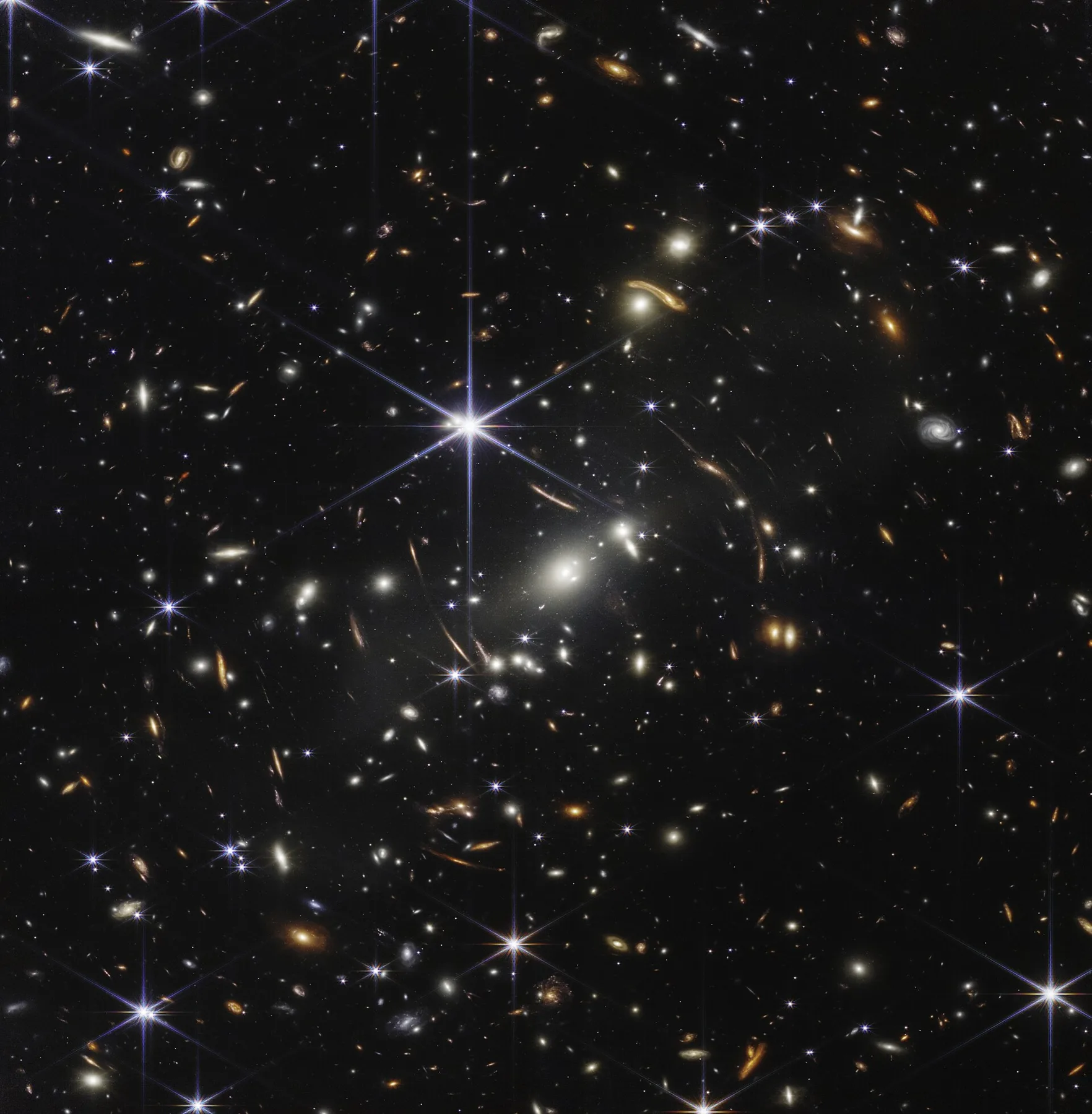
Webb's First Deep Field
A grain-of-sand patch of sky holding thousands of galaxies, some from the early universe.
Research draft · editor review pending. Every claim below is linked to a checked source, but this dossier has not yet been reviewed by a human editor. Spot an error? Corrections are logged.
The James Webb Space Telescope's first full-color image shows the galaxy cluster SMACS 0723 as it appeared 4.6 billion years ago. The cluster's mass bends and magnifies light from galaxies far behind it, stretching them into arcs.
Loading the full dossier…
Connected dossiers
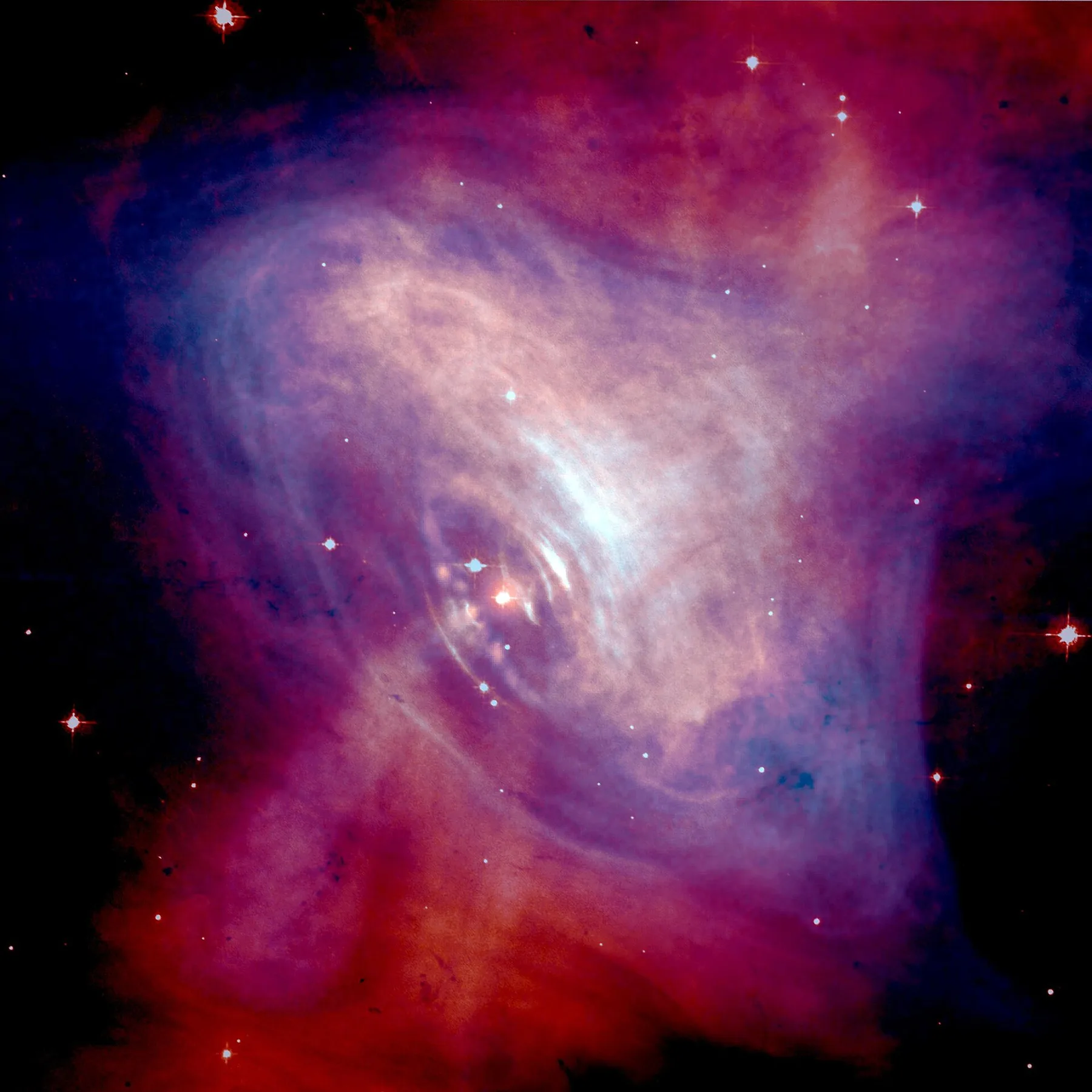 The Discovery of PulsarsSame open question · Both show how unexpected signals become physical understanding.
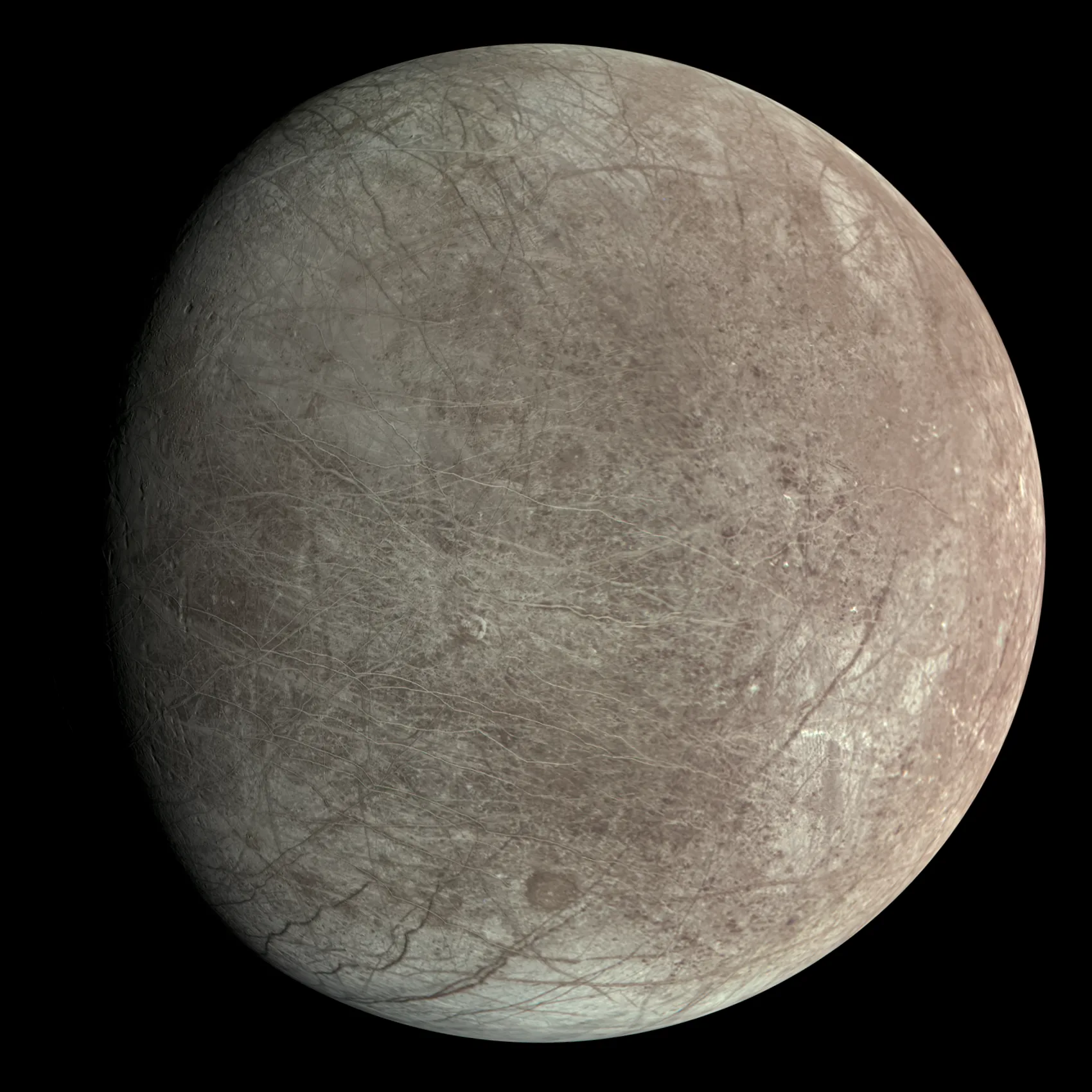 Europa's Hidden OceanSame era · Modern space science missions.
See Webb's First Deep Field in the discovery universe →
Ask the archive
Have a question about this dossier, or think a claim needs a better source? Send it to the editors.
How to read the labels
EstablishedSupported by strong, converging evidence.
ContestedEvidence exists but qualified scholars disagree.
UnresolvedThe question is open; evidence does not settle it.
LegendComes from myth, literature or tradition, not physical evidence.
SpeculativeA hypothesis with little direct evidence so far.
Hero image: Webb's First Deep Field: galaxy cluster SMACS 0723 (2022). Photo: NASA, ESA, CSA, and STScI · Public domain · via Wikimedia Commons. Evidence labels describe the written claims, not the image. Version 1 · updated 2026-10-22.